
Hammer Crusher vs Impact Crusher for Limestone
Quick AnswerBoth machines may suit limestone, but they are not interchangeable in every plant. Compare the actual feed, required product grading, acceptable fines, wear conditions and full equipment scope. A hammer crusher needs a suitable feed and discharge arrangement; a horizontal shaft impact crusher needs a chamber and adjustment arrangement suited to the reduction and product specification. Neither name guarantees lower cost or a better product.
Impact crusher here means horizontal shaft impact crusher (HSI), not a VSI sand-making machine.
What Is the Mechanical Difference?
Both types break material by impact. A common hammer-crusher arrangement uses swinging hammers on a rotor; a grate or cage may influence how material leaves the chamber. A common HSI arrangement uses rotor-mounted blow bars and breaker plates or aprons, with chamber adjustments affecting the crushing duty.
Those differences shape the discussion of wear parts, adjustment, discharge and maintenance. They do not, by themselves, prove capacity, finished grading or product quality. Exact construction depends on the offered model.
General mechanism references: MEKA hammer crusher, Metso HSI adjustment and McLanahan Hammermill Crushers. These describe other manufacturers’ equipment, not Zhongji model performance, certification or endorsement.
Compare the Same Crushing Duty
Give both options the same feed description and target product. A catalogue capacity from one feed and discharge condition cannot establish which machine performs better under another.
Scroll the table sideways to compare all three columns.
| Buyer check | Hammer crusher | HSI impact crusher |
|---|---|---|
| Material | Check brittleness, abrasive inclusions and moisture against the proposed design. | Check the same feed properties and proposed blow-bar and chamber selection. |
| Feed | Match largest lumps and grading to the documented machine limit. | Match actual feed to the selected chamber and documented feed limit. |
| Product | Ask how the grate or discharge arrangement affects grading and fines. | Ask how chamber, rotor and settings affect grading and shape. |
| Wear scope | Confirm hammers, liners and grates where fitted. | Confirm blow bars, breaker plates and liners. |
| Plant scope | Include feeding, screening and return material. | Include feeding, screening and return material. |
Start With the Product You Can Sell
Two limestone projects may receive similar rock but require different saleable products: several aggregate fractions, a limit on fines, a particular particle shape, or finer feed for a confirmed downstream process. Fine material can be useful in one application and unwanted in another. Neither “hammer makes powder only” nor “HSI makes clean aggregate only” is a sound selection rule.
State each required product fraction, acceptable fines and shape requirement before asking for a machine. A maximum product size alone does not describe the full grading. Ask how the proposed crusher, screen and any return material work together to meet that specification.
When Should Each Machine Be Shortlisted?
Hammer crusher
Evaluate a Zhongji hammer crusher when the feed suits the proposed design, its discharge arrangement matches the required product, and the complete duty is compatible. Confirm the actual model and wear-part scope; limestone alone is not enough to select it.
HSI impact crusher
Evaluate an HSI when its documented feed range, reduction duty, chamber and adjustment arrangement suit the product requirement. HSI is not necessarily secondary-only; primary or later-stage use depends on the specific machine and circuit.
Reassess both
Where abrasive inclusions, wet clay, inconsistent feed or a tightly controlled product specification remain unresolved, check the material and process before shortlisting either type. A larger crusher does not automatically resolve an unsuitable feed or screening arrangement.
Compare Scope and Wear, Not Only Purchase Price
Machine price is not the same as project cost. Request quotations on the same basis: crusher, motor and drive, feeder, screen, conveyors, electrical control and initial wear parts. Clarify what is excluded, including freight, site preparation and installation support.
For wear parts, confirm part identity, available material specification, replacement access and supply arrangement. A cheaper individual part does not prove a lower cost per tonne without comparable service-life evidence under the same duty. Unknown wear behavior should remain an open question until material and operating information are reviewed.
Plan the Whole Limestone Circuit
The Zhongji limestone crushing and screening solution is a planning reference, not a fixed line for every quarry. Feeding, screening and return-load decisions can change what reaches the crusher and what becomes saleable product.
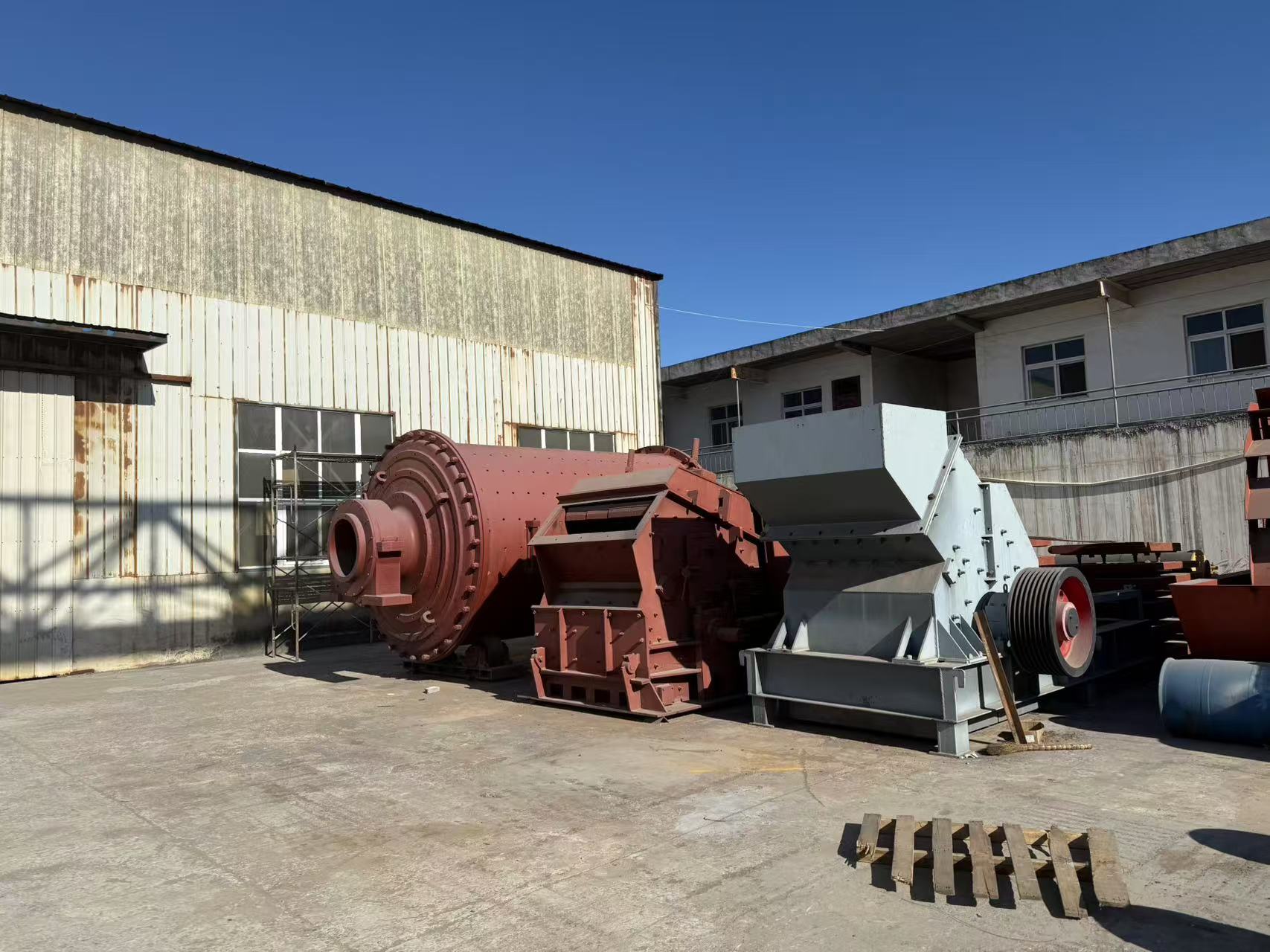
Send Your Limestone Crushing Requirements
Start with material, maximum feed size, required hourly capacity, required product sizes and project location. Add moisture or clay condition, existing equipment, and fines or shape limits if known. It is fine to mark an unknown item “to be confirmed.”
Zhongji will review the actual crushing duty before recommending a machine and preparing a project-specific configuration and budget. This comparison is not a final equipment selection.
Send Your Project Requirements