
Preliminary Project Design Reference

1000 TPD Polymetallic Ore Grinding, Gravity & Flotation Flowsheet

This reference organizes a preliminary process drawing prepared for a specific 41.8 t/h polymetallic ore requirement. It is not an operating case: final equipment selection and process parameters must be confirmed by ore testing and detailed engineering.

Feed
10 mm
Capacity
41.8 t/h
Daily basis
1000 t/d
Main route
Grinding + gravity + flotation + dewatering

Project Basis

The source drawing defines the material, feed size, throughput and preliminary process scope below. It does not establish final recovery or concentrate quality.

Public project basis taken from the preliminary drawing
Ore TypePolymetallic ore
Feed Size10 mm
Design Throughput41.8 t/h
Daily Throughput1000 t/d
Process ScopeGrinding + classification + gravity concentration + flotation + dewatering
Design StatusPreliminary process reference

Process Overview

This is a simplified reading of the supplied preliminary drawing: grinding and classification are shown before representative gravity, flotation and dewatering branches. Actual stream routing, split, return paths, reagent scheme and operating conditions require testwork and detailed engineering confirmation.

Grinding and classificationThe supplied drawing shows: feed → ball mill → hydrocyclone group

Gravity branchRepresentative branch shown: centrifugal concentrator → shaking tables → gravity concentrate

Flotation branchRepresentative branch shown: conditioning → flotation cells → concentrate thickening / vacuum filtration, plus a tailings dewatering option

Simplified Process Flowsheet

Representative branch relationships are simplified from the supplied drawing; confidential assay and project identifiers are removed.

Not for construction

Representative branch relationship - actual stream split requires testwork confirmation.

Simplified preliminary flowsheet showing feed, ball mill, hydrocyclone, gravity concentration, shaking tables, flotation, concentrate dewatering and tailings dewatering branches
Simplified and privacy-redacted from the supplied preliminary drawing. Actual stream routing, split, return paths, reagent scheme and operating conditions require testwork and detailed engineering confirmation.

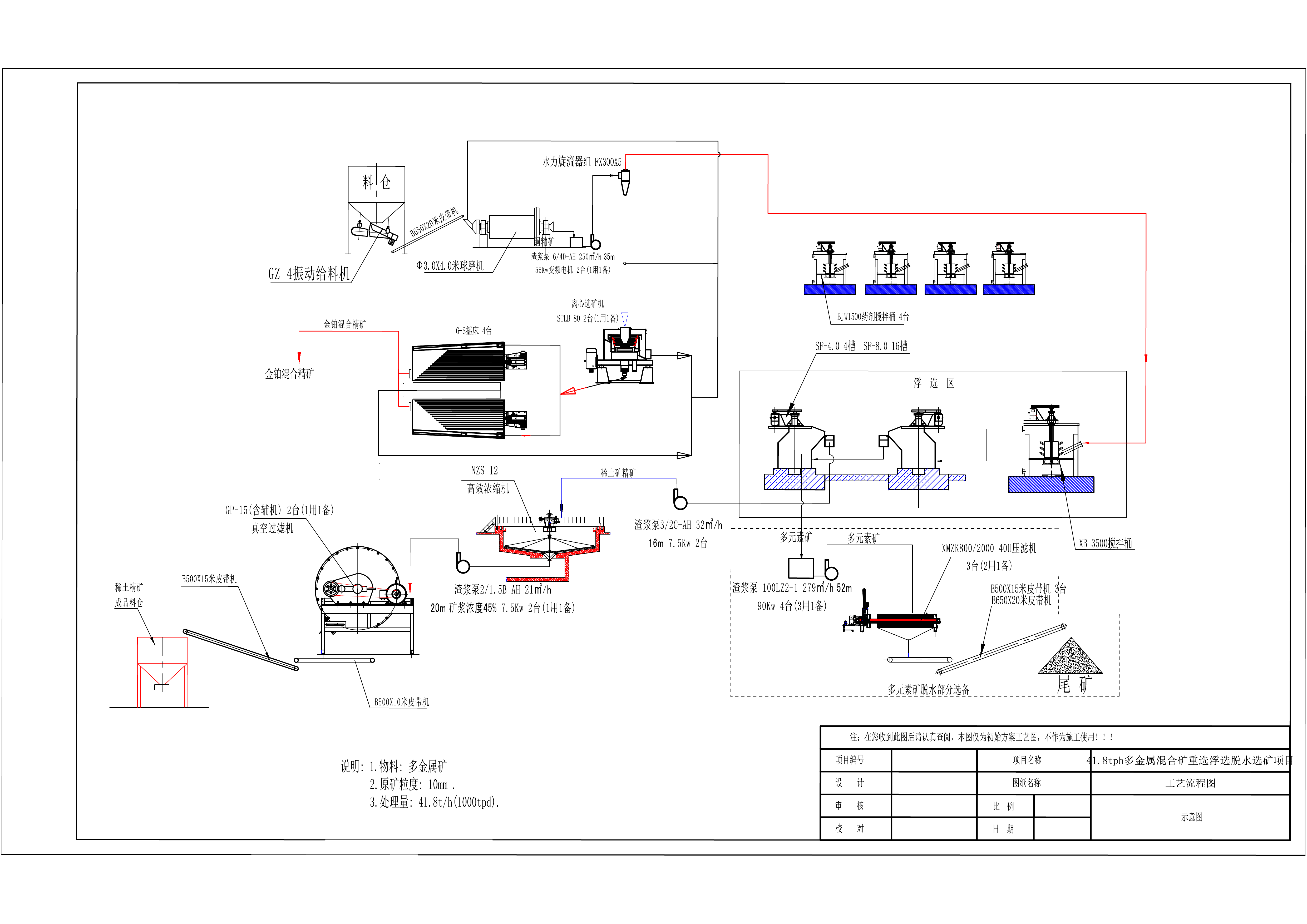
Original Preliminary Engineering Drawing

Original preliminary engineering drawing, privacy-redacted for publication.

Privacy-redacted preliminary 1000 TPD polymetallic ore processing engineering flowsheet
This drawing represents an initial process proposal and is not a construction drawing. Final stream routing, equipment sizing and operating conditions require testwork and detailed engineering.
View full engineering drawing

Reference Equipment in the Drawing

These models and quantities are transcribed from the supplied preliminary drawing. They are reference selections, not a final equipment schedule.

Main equipment shown in the preliminary process drawing
StageEquipmentModel / SizeQuantity / Note
FeedingVibrating feederGZ-4Shown before the mill feed conveyor
GrindingBall millΦ3.0 × 4.0 m1 line shown
ClassificationHydrocyclone groupFX300×51 group
Gravity concentrationCentrifugal concentratorSTLB-802 units — 1 operating + 1 standby
Gravity cleaningShaking table6-S4 units
ConditioningAgitation tankXB-35001 shown
Reagent preparationReagent agitation tankBJW15004 units
FlotationFlotation cellsSF-4.04 cells
FlotationFlotation cellsSF-8.016 cells
Concentrate thickeningHigh-efficiency thickenerNZS-121 shown
Concentrate filtrationVacuum filtration equipmentGP-152 units — 1 operating + 1 standby
Tailings dewatering optionFilter pressXMZK800/2000-40U3 units — 2 operating + 1 standby
Auxiliary equipment shown in the drawing

Mill feed conveyorB650 × 20 m belt conveyor

Mill discharge pump6/4D-AH, 250 m³/h, 35 m, 55 kW; 2 units (1 operating + 1 standby)

Process slurry pump3/2C-AH, 32 m³/h, 16 m, 7.5 kW; 2 units

Thickener discharge pump2/1.5B-AH, 21 m³/h, 20 m, 45% slurry concentration, 7.5 kW; 2 units (1 operating + 1 standby)

Tailings slurry pump100LZ2-1, 279 m³/h, 52 m, 90 kW; 4 units (3 operating + 1 standby)

Product conveyorB500 × 10 m belt conveyor

Tailings conveyorsB500 × 15 m, 3 units; B650 × 20 m, 1 unit

How the Circuit Works

The first sentence in each item records the drawing. The second provides general mineral-processing context and is not a project performance claim.

Grinding from 10 mm feed

Drawing fact: The GZ-4 feeder and belt conveyor send 10 mm feed to a Φ3.0 × 4.0 m ball mill.

Engineering context: Separation depends on mineral liberation, so a 10 mm feed still needs finer grinding before gravity and flotation stages can be evaluated.
Hydrocyclone classification

Drawing fact: An FX300×5 hydrocyclone group receives the mill discharge slurry.

Engineering context: Hydrocyclone classification separates slurry streams by particle behavior and helps control which material returns or moves to subsequent recovery stages.

Gravity recovery and cleaning

Drawing fact: The gravity branch includes STLB-80 centrifugal concentrators and four 6-S shaking tables, with product and return streams shown.

Engineering context: Centrifugal concentration can recover valuable heavy components from a suitable classified stream; shaking tables can then clean a gravity concentrate.

Conditioning and flotation

Drawing fact: The flotation area includes BJW1500 reagent tanks, an XB-3500 agitation tank, SF-4.0 cells and SF-8.0 cells.

Engineering context: Flotation can treat floatable components after conditioning, but reagent selection and residence time must come from ore testwork.

Concentrate dewatering

Drawing fact: One concentrate stream is routed to an NZS-12 thickener and GP-15 vacuum filtration equipment.

Engineering context: Thickening reduces the water load before filtration; the required final moisture determines the actual dewatering design.

Tailings handling option

Drawing fact: A separate dewatering option uses XMZK800/2000-40U filter presses and belt conveyors.

Engineering context: Whether this route is required depends on slurry behavior, water recovery, disposal method and the project’s final tailings specification.

What Must Be Confirmed Before Final Design

Actual mineral recovery behavior depends on mineralogy, liberation size and testwork.

  • Mineralogy
  • Liberation size
  • Target concentrate(s)
  • Required concentrate grade
  • Recovery target
  • Ore hardness
  • Slurry characteristics
  • Reagent test results
  • Water availability
  • Final dewatering requirement

Related Zhongji Equipment Media

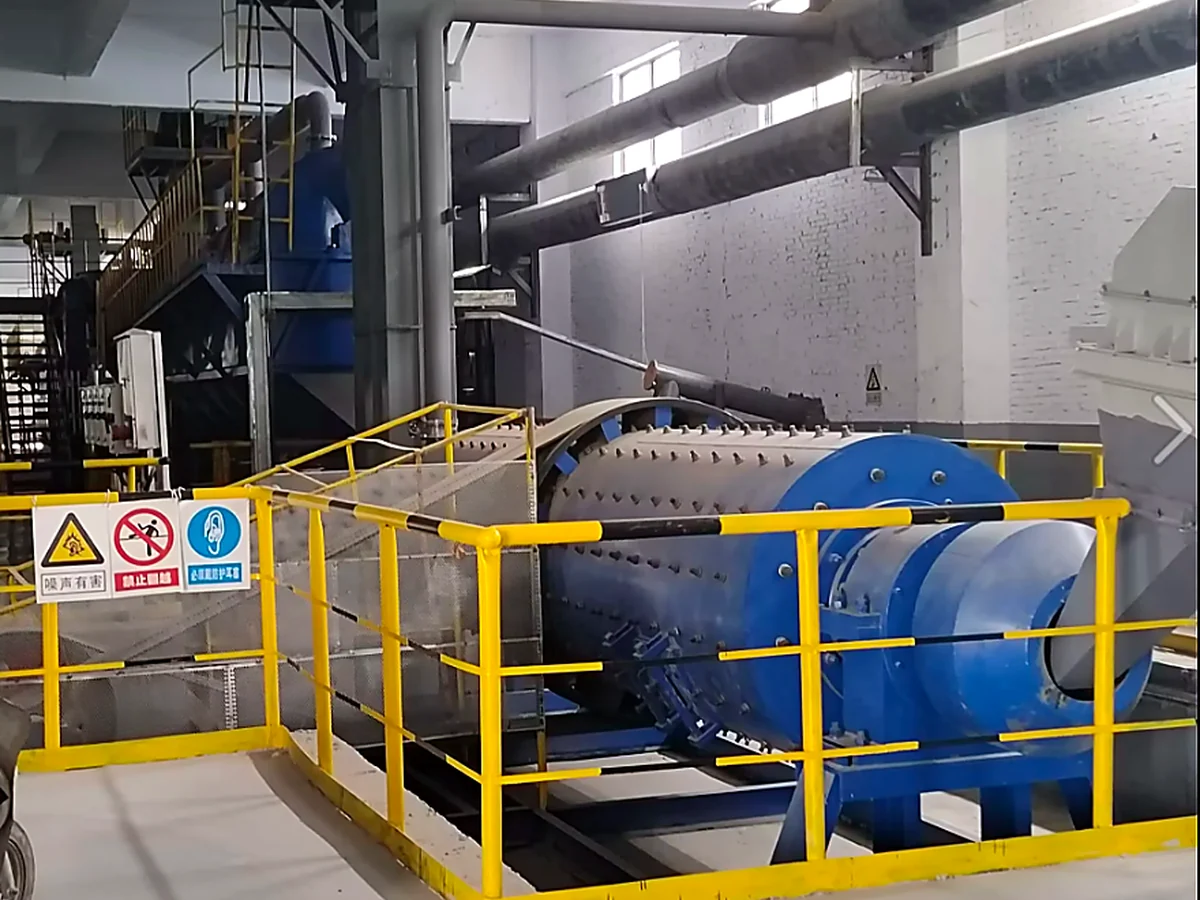
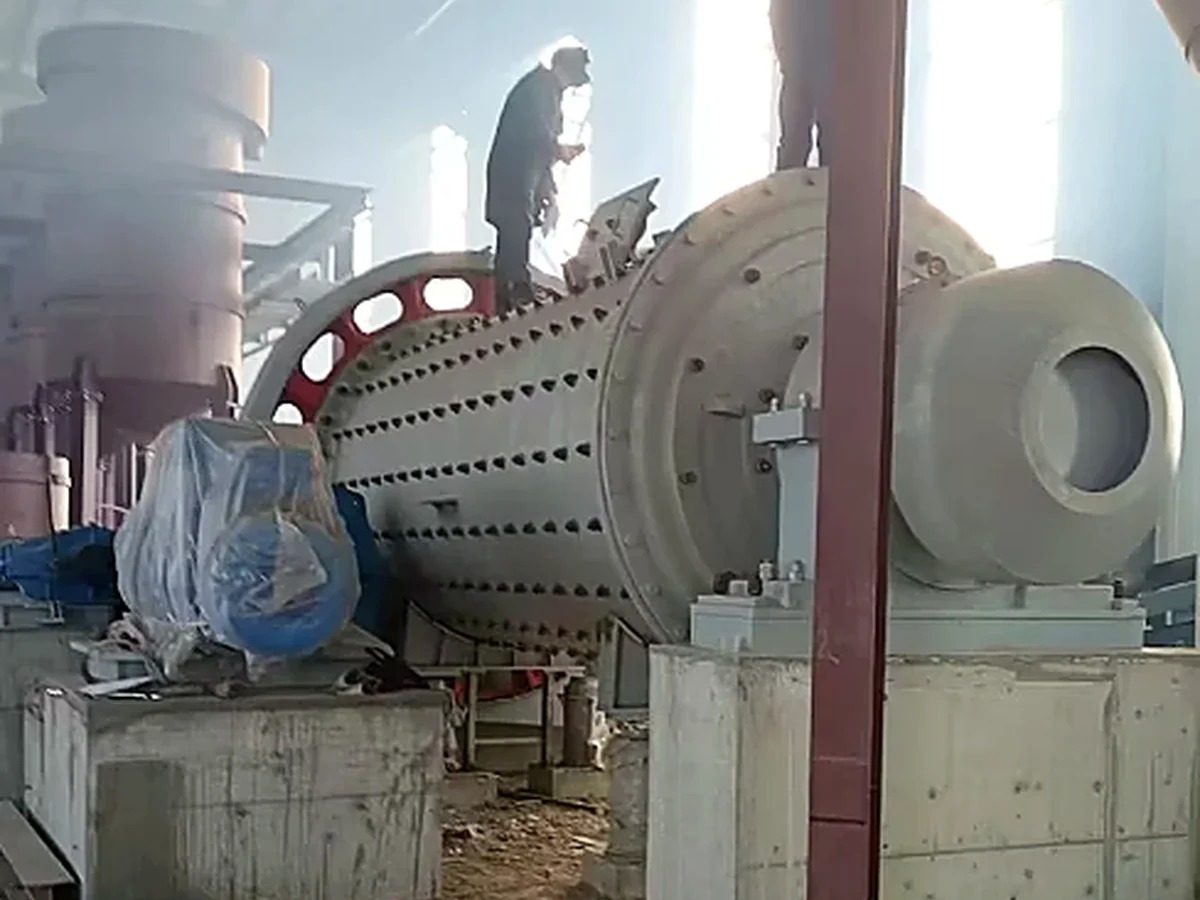
These are existing Zhongji ball mill images for equipment context. They are not photographs of the preliminary project described on this page.

Zhongji ball mill equipment at an operating site
Ball mill equipment media from Zhongji’s existing library — not this project.
Zhongji ball mill during site installation
Ball mill installation media from Zhongji’s existing library — not this project.