Real Ball Mill Footage
This close view shows the ball mill drum, drive motor and gear ring inside an industrial building.
Mineral Grinding Equipment
Grinding after crushing and before mineral separation. Start with process, feed size, target fineness and throughput.
Selection inputs
Technical Specifications
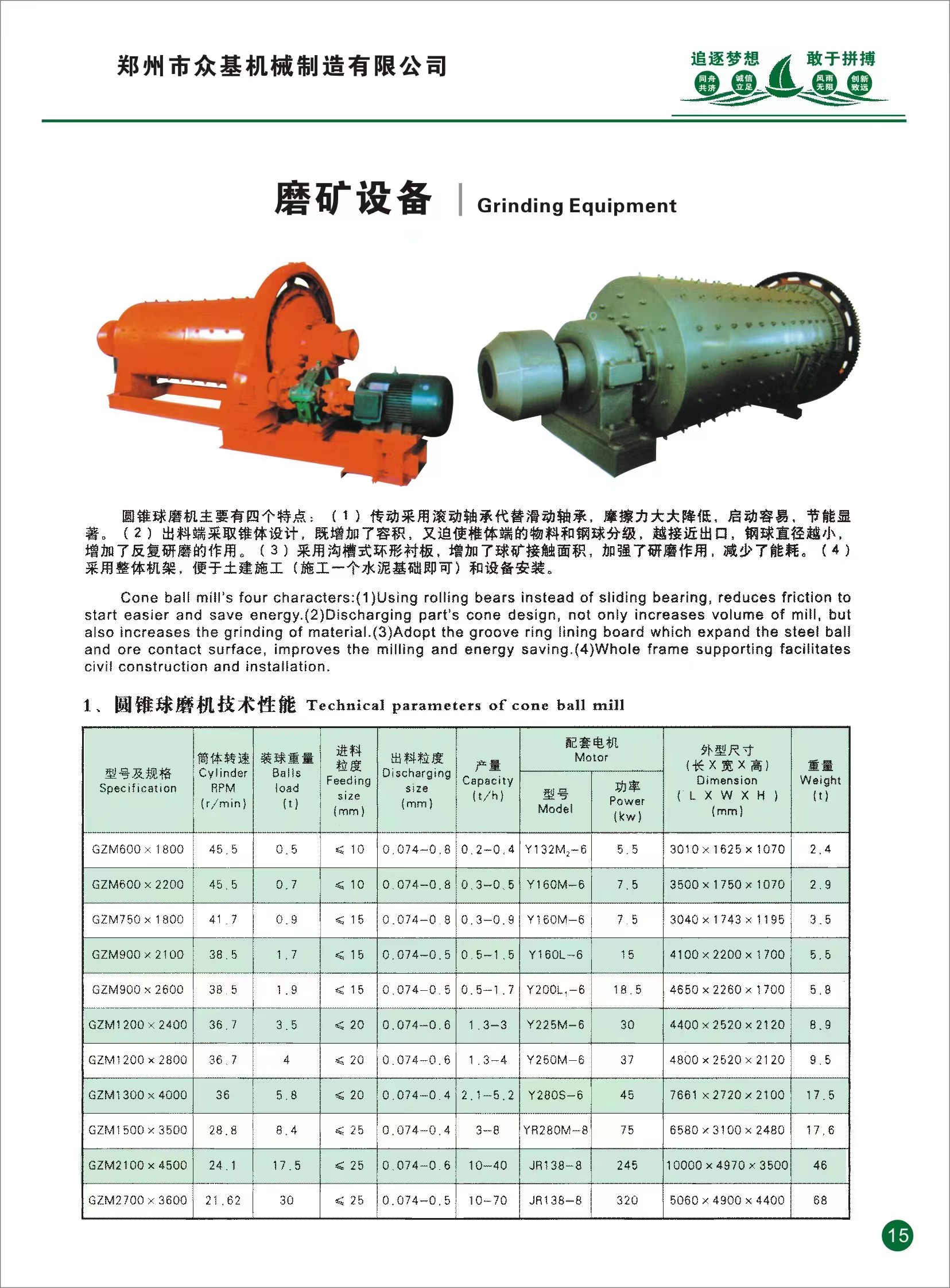
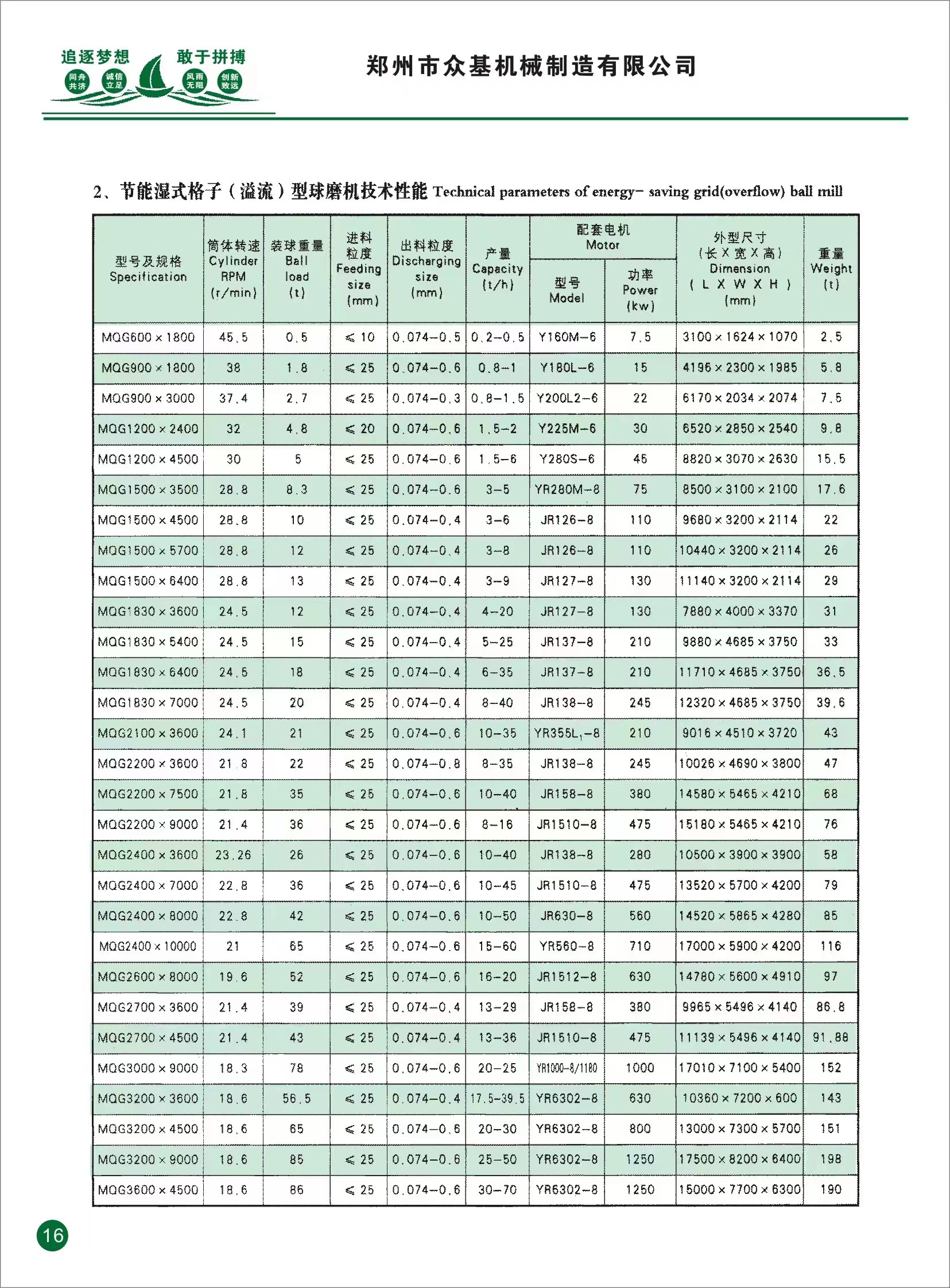
These are reference values from Zhongji Machinery documentation. Actual capacity varies with material, feed size, target fineness, circulating load, media and process arrangement.
Product Introduction
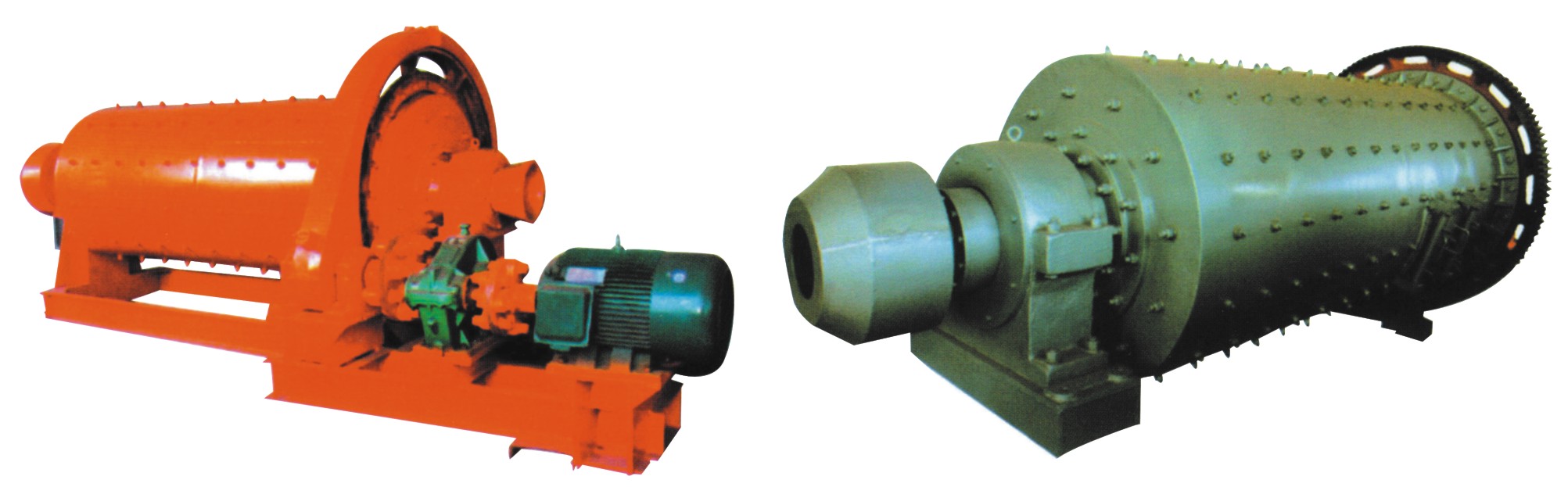
A ball mill is a rotating grinding machine that uses grinding media to reduce crushed material to a finer product. It is commonly installed after crushing and before classification, flotation, magnetic separation or another downstream process.
Ball mills are discussed for gold ore, copper ore, iron ore and industrial materials when controlled grinding is required. Wet or dry operation follows the confirmed process route; see the wet vs dry ball mill guide for the main selection differences. For a typical classifier return loop, read how a ball mill and hydrocyclone closed circuit works. For a smaller gold ore project comparing a wet pan route with a ball mill circuit, see the wet pan mill vs ball mill buyer guide.
Main Features
Grinding media and material move inside the rotating cylinder to reduce particle size.
Feeding, discharge and auxiliaries are arranged for the confirmed process.
Existing Zhongji technical sheets provide model, feed, product and motor references.
The mill can work with classification and downstream mineral-processing equipment.
Liners and grinding media are selected and maintained for the confirmed mill and duty.
Real Photos / Videos
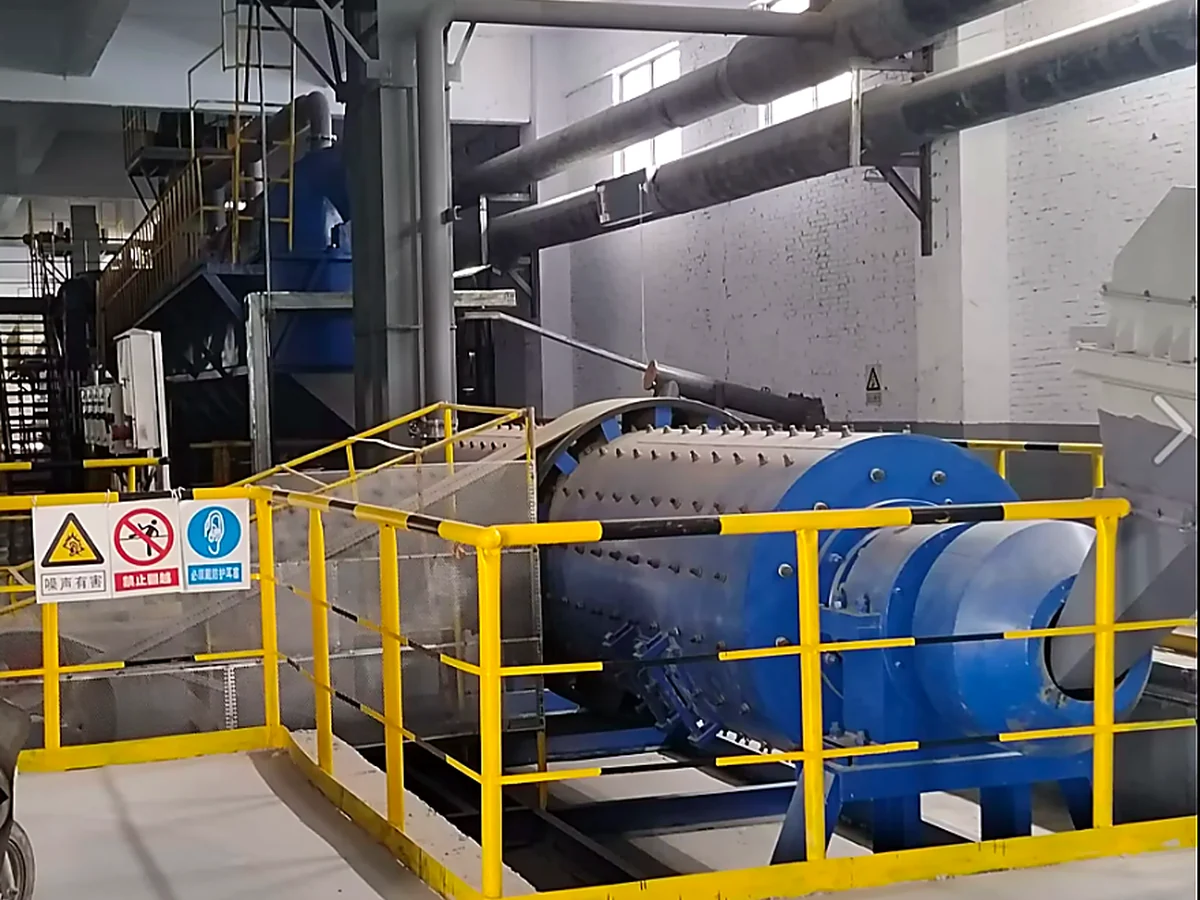
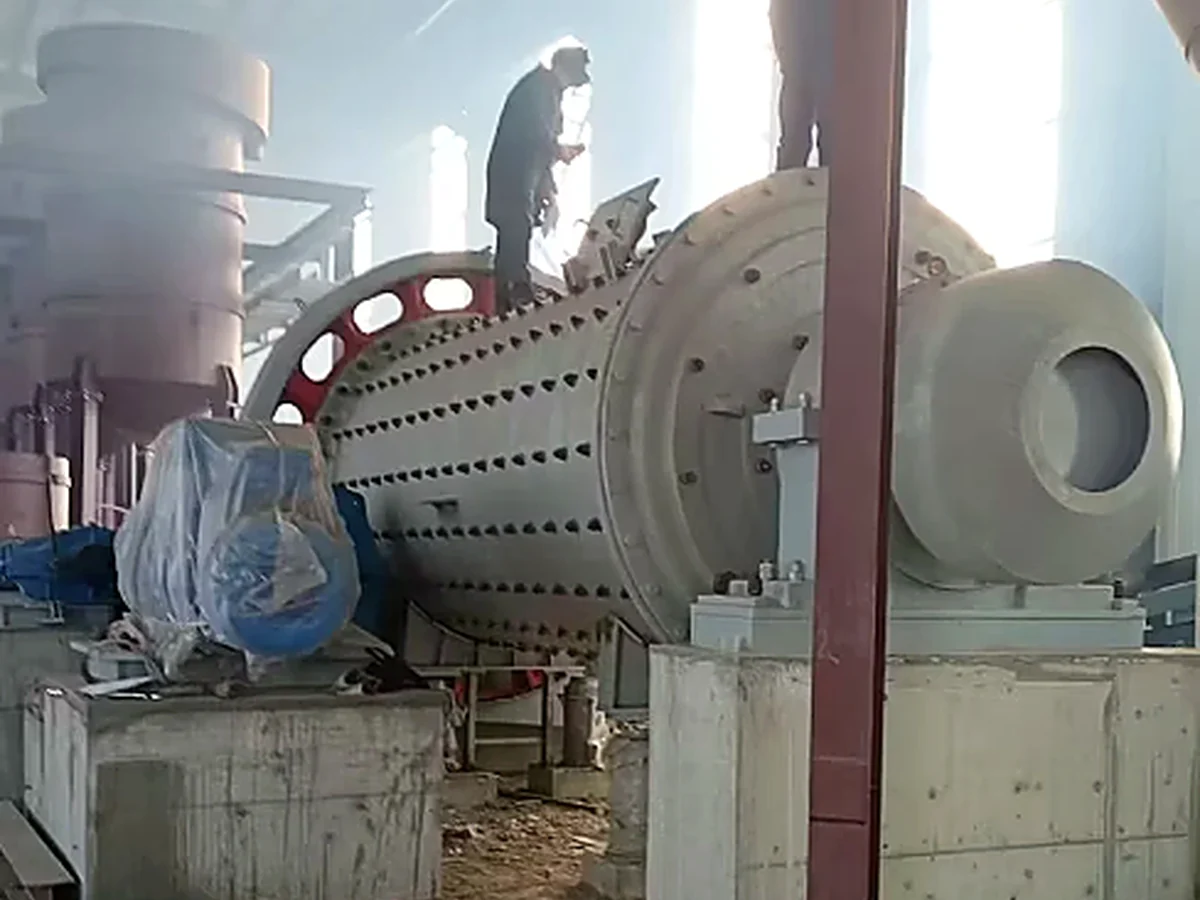
Real installation view showing the mill body, drive area and foundation.
This close view shows the ball mill drum, drive motor and gear ring inside an industrial building.
Grinding Principle
The rotating cylinder lifts part of the grinding media and material. As they fall and move inside the cylinder, impact and attrition reduce the particles. The product then leaves through the configured discharge system.
Technical Downloads
Only existing company technical sheets are offered. Final selection still depends on material, feed size, target fineness, capacity and the complete process route.
GZM cone ball mill model and parameter references from existing Zhongji documentation.
Download GZM SheetMQG wet grid and overflow ball mill model references from existing Zhongji documentation.
Download MQG SheetMaintenance and Installation
The checklist below is a planning framework. Exact intervals and procedures must follow the supplied manual, operating hours, process, material and site safety rules.
Safety: Stop, isolate and verify the power before inspection or entry. Confined-space, lifting and electrical work require qualified personnel and site procedures.
Confirm foundation dimensions, anchor positions, centre-line alignment, feed and discharge connections, lubrication and maintenance clearance before delivery.
Media grading, loading, liner profile and liner material must match the confirmed mill, material and process. Do not copy one fixed recipe to every application.
Check alignment, guards, lubrication and rotation direction, then complete the no-load and controlled-load checks required by the supplied instructions.
Common Operating Problems
These are general checking directions, not a substitute for the equipment manual or site safety procedure.
Contact
Tell us the material, crushed feed size, target fineness, capacity and wet or dry process if known. We will start with the grinding duty.
Send Your Requirements