
Wet vs Dry Ball Mill: Which Grinding Method Fits Your Material?
Quick Answer
Wet grinding is commonly considered when the next process already uses slurry or water-based classification. Dry grinding may be more practical when the final product must remain dry, water use is limited, or the next process is dry. Neither method is universally better; the full process route determines the practical direction.
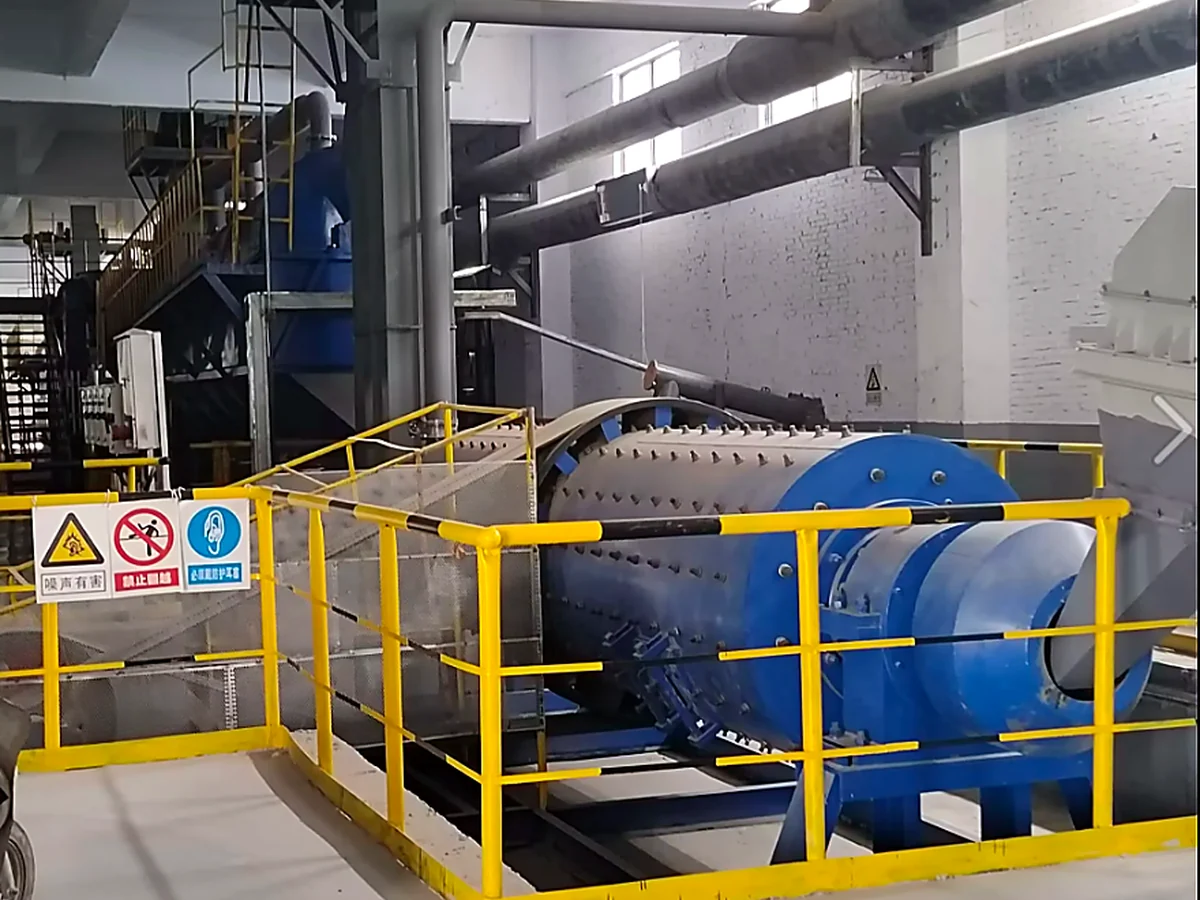
Wet vs Dry Ball Mill
Use the process requirement as the starting point, not the mill name alone.
On a phone, scroll the table sideways to compare both grinding methods.
| Decision point | Wet Grinding | Dry Grinding |
|---|---|---|
| Grinding Medium | Grinding media with material and process water | Grinding media with dry material |
| Material Condition | Mixed with water to form slurry | Controlled dry feed; moisture may need attention |
| Typical Downstream Process | Wet classification, flotation or other wet separation | Dry storage, blending or dry processing |
| Water Requirement | Process water and slurry handling are required | No process water in grinding; site utilities vary |
| Dust Consideration | Airborne dust is reduced; slurry containment matters | Enclosure and dust collection may be important |
| Classification Method | Hydrocyclone, spiral classifier or wet screen | Dry screen or air classifier, depending on the target |
| Final Product Condition | Slurry | Dry solids |
| When It Is Commonly Considered | The following process already operates wet | The product or following process must remain dry |
What Decides the Grinding Method?
The grinding method must agree with the material and the process before and after the mill.
- Final Product
- Decide whether the required output can be slurry or must leave the grinding stage dry.
- Downstream Process
- Wet separation usually points toward a wet circuit; dry storage or processing may point toward a dry circuit.
- Material and Water
- Natural moisture, clay, water response and available process water can change the practical circuit.
- Dust and Dry Handling
- A dry circuit needs a realistic plan for enclosure, transfer points, classification and dust collection.
How the Circuit Changes
Conceptual Grinding Circuit
This is a selection concept, not a Zhongji project layout. The actual return path and classification equipment depend on the required product and material tests.