
Jaw Crusher Capacity: What Determines Tons per Hour?
Jaw crusher capacity is not determined by model size alone; feed size and gradation, discharge setting, material characteristics, and feeding and process flow can all change the actual tons per hour.
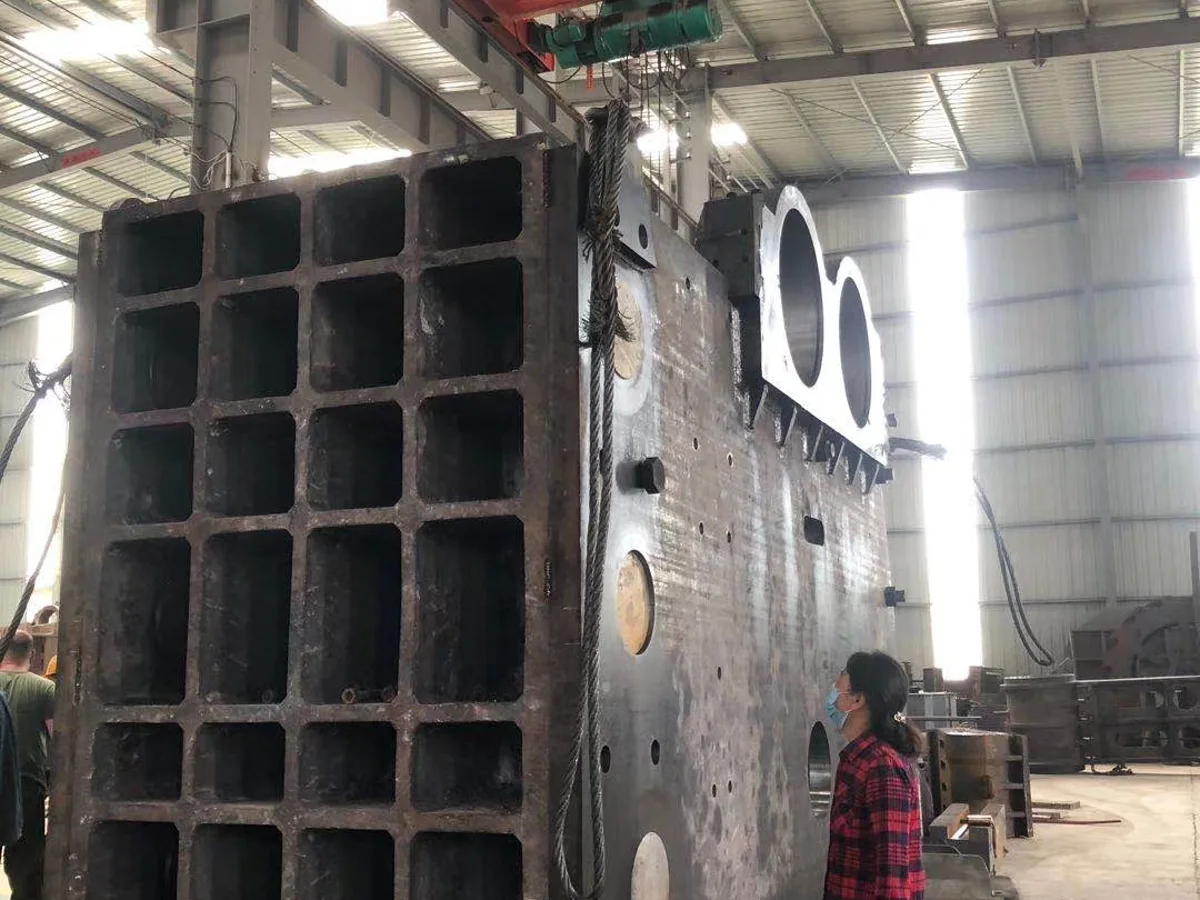
What Actually Changes Capacity
- Feed size and gradation
- The largest lump and the overall mix entering the chamber affect how steadily the crusher can work.
- Discharge setting
- A smaller closed-side setting asks the crusher for a smaller discharge and can change throughput.
- Material characteristics
- Crushability, hardness, moisture, clay and fines affect how material moves and breaks.
- Feeding and process flow
- Surges, empty periods, restricted discharge or limited downstream equipment can reduce continuous output.
Zhongji Jaw Crusher Capacity Table
| Model | Maximum Feed | Discharge Range | Capacity Reference | Motor |
|---|---|---|---|---|
| PEF250×400 | 210 mm | 20–80 mm | 4–14 t/h | 15 kW |
| PEF400×600 | 350 mm | 40–110 mm | 10–40 t/h | 30 kW |
| PEF500×750 | 425 mm | 50–120 mm | 30–90 t/h | 55 kW |
| PEF600×900 | 480 mm | 75–200 mm | 56–192 t/h | 75 kW |
| PEF750×1060 | 630 mm | 80–210 mm | 72–300 t/h | 110 kW |
These are Zhongji technical-sheet references, not guaranteed output for every material or operating condition.
Can a PEF400×600 meet a 40 t/h target?
A capacity range is a starting reference, not an approval for every feed condition. Consider this illustrative inquiry: “We need 40 t/h, and the largest pieces are about 400 mm.”
The table above lists PEF400×600 at 10–40 t/h, but it also lists a maximum feed of 350 mm. In this example, the 400 mm feed exceeds that published limit. Choosing the model only because the required output matches the top of the capacity range would miss the feed-size constraint.
If the feed is within 350 mm, that removes this particular mismatch; it still does not establish that the crusher will deliver 40 t/h. The material, discharge requirement, feed consistency and downstream arrangement need to be reviewed together.
This is a selection example using Zhongji's reference values, not a test result or a recommendation to run a crusher beyond its stated feed limit. See the jaw crusher model references and technical sheet for the source configuration.
Why the Same Model Can Produce Different TPH
A crusher receives different material and feed conditions from one project to another. Changes in feed gradation, moisture or clay, discharge setting, feeding continuity and downstream restrictions can change how steadily material passes through the chamber, so the same model should not be treated as a fixed-TPH guarantee.
Convert tonnes per day into the duty you actually need
For a first discussion, divide the required daily tonnage by the hours when material is actually expected to pass through the equipment. In these examples, tonnes means metric tonnes.
| Illustrative daily target | Productive hours | Required average rate |
|---|---|---|
| 200 tonnes/day | 8 hours | 25 t/h |
| 200 tonnes/day | 6 hours | About 33.3 t/h |
This arithmetic describes the requirement; it does not predict a machine's capacity or include a design margin. State whether the tonnage means fresh feed or finished saleable product. They should not be treated as the same figure without checking the process basis.
For a quotation, use the same duty when comparing suppliers, then check the included equipment and quotation scope.
Real Jaw Crusher Photos / Video
Discuss your required output
Start with the material and the output you need in t/h or tonnes per day. Add the largest feed and required finished product when known. We can use the available information to identify what needs checking next; a reference-table maximum is not a production guarantee.
Review and send in WhatsApp, or use the other contact options.