
Sand & Aggregate Production Line
A Sand & Aggregate Production Line Starts with the Final Product.
Start with the finished sizes and the share needed in each size. Maximum feed, material condition, target output and site limits then guide the crushing and screening discussion; the illustrated flow is not a specified plant.
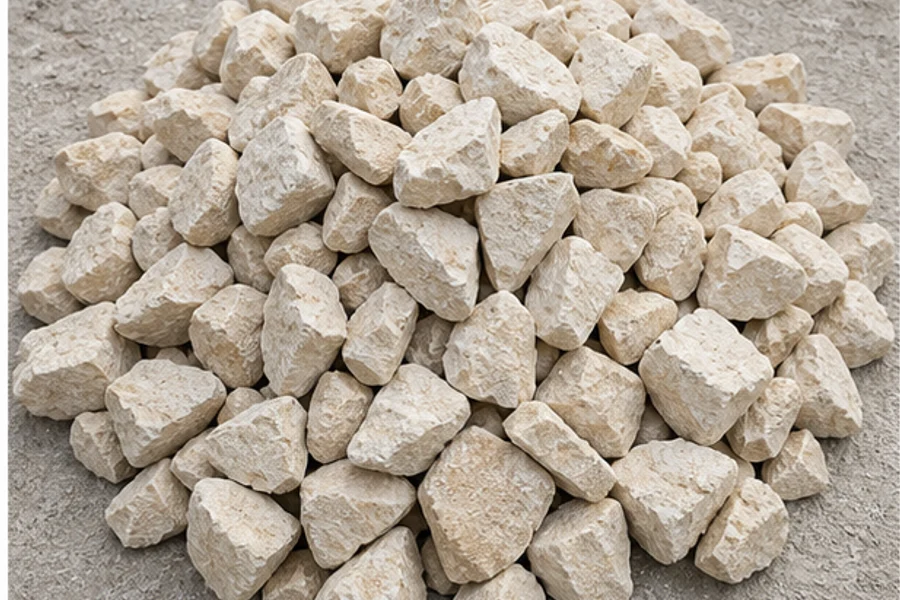
Suitable Materials / Application
Common quarry and aggregate feed.
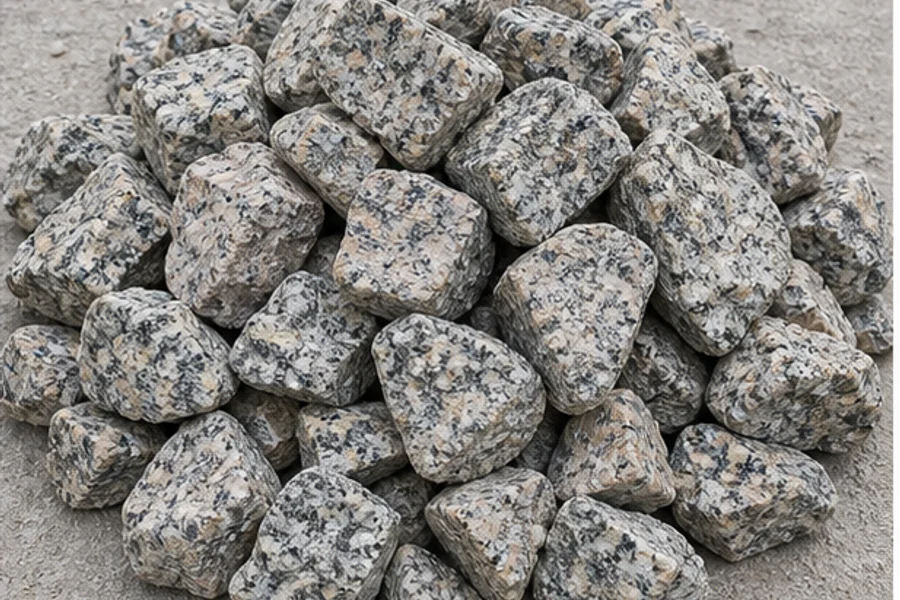
Granite
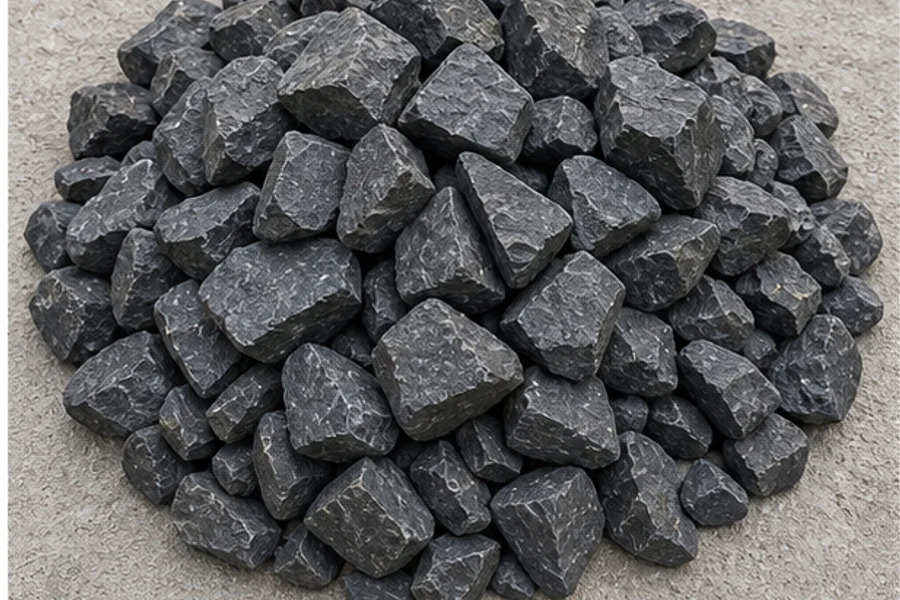
Basalt
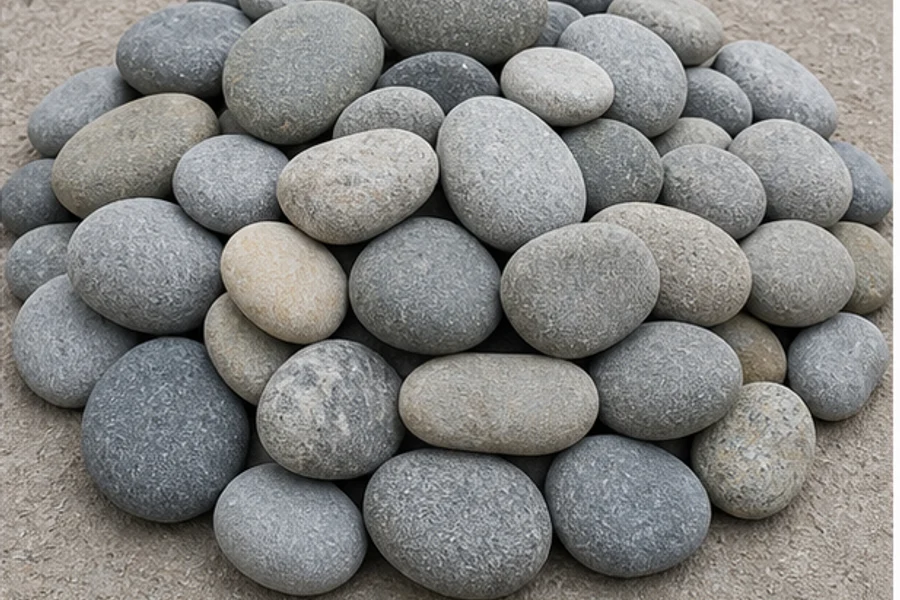
River Stone
These images indicate feed categories, not tested suitability. Confirm hardness and abrasion, moisture and clay, and the required product fractions before choosing a crusher or screen.
Numbered Production Line
Follow the material from feed to stockpile.
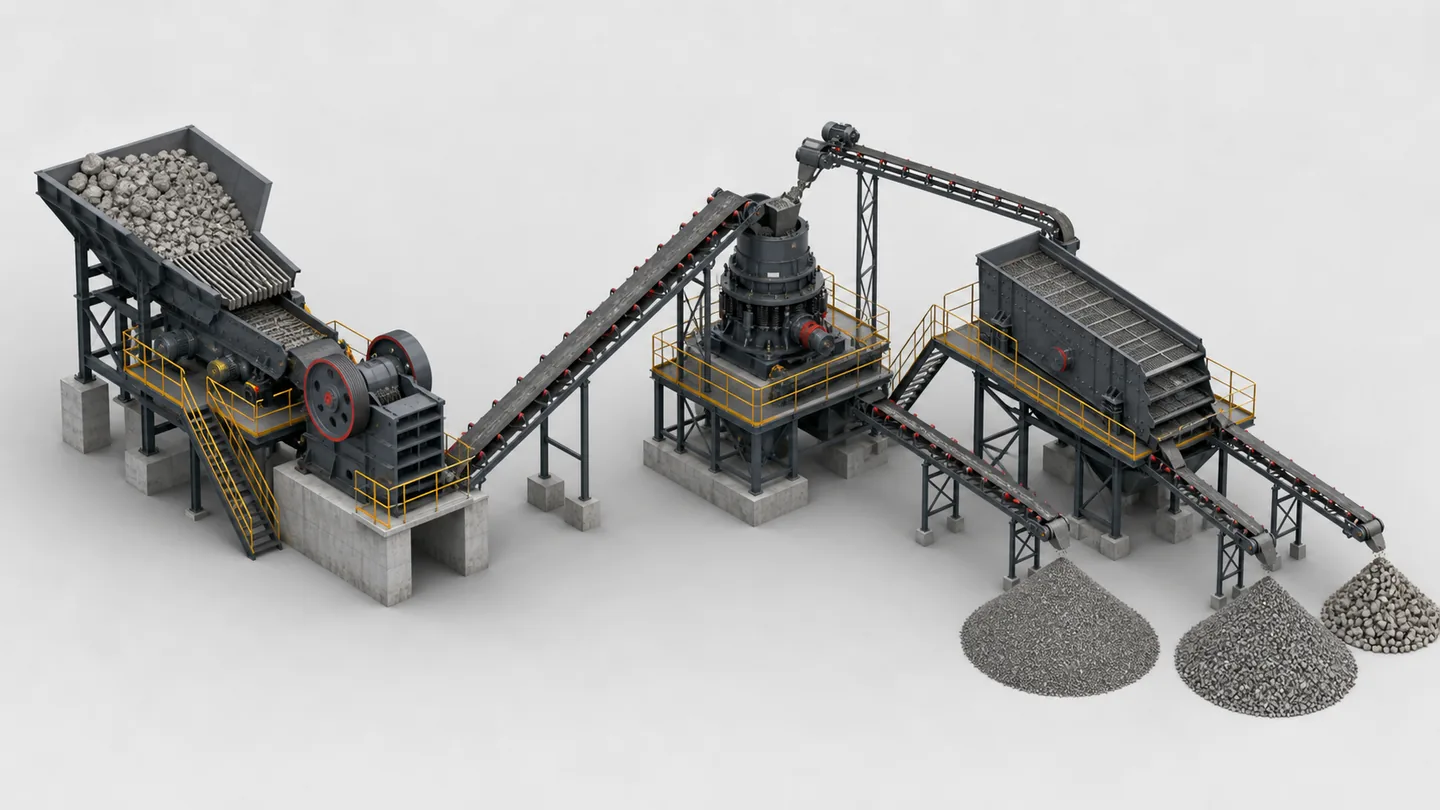 01Vibrating Feeder
02Jaw Crusher
03Secondary Crusher
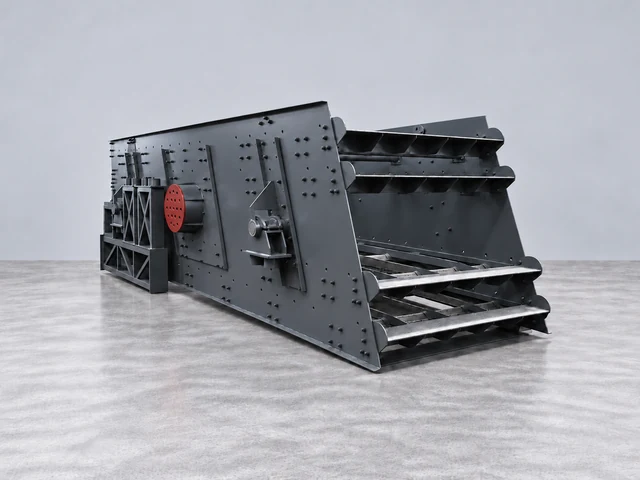
04Vibrating Screen
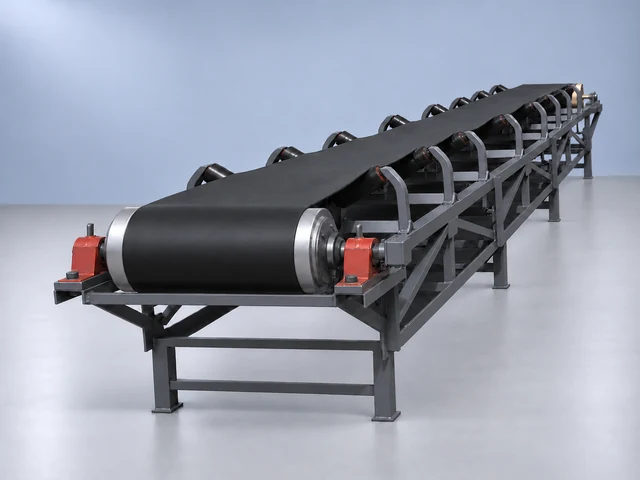
05Belt Conveyors
01Vibrating Feeder
02Jaw Crusher
03Secondary Crusher
04Vibrating Screen
05Belt Conveyors
- 01Vibrating Feeder
- 02Jaw Crusher
- 03Secondary Crusher
- 04Vibrating Screen
- 05Belt Conveyors
How the Line Works
Five decisions behind the illustrated flow.
01 Give the largest and typical stone sizes, moisture and expected feed variation before sizing the feeder.
02 Compare the feed with a documented jaw model's limit and the discharge needed by the next stage.
03 Review material abrasion, required size and particle shape before choosing a secondary crusher; the model is still open.
04 Specify each finished size and required share. Review screen duty and oversize return; check fines, clay and product requirements before discussing washing. Not sure how to size the screen? See the vibrating screen capacity guide.
05 Confirm stockpile separation, available space and conveying routes before fixing the layout.
A published jaw crusher example is PEF600 x 900: maximum feed 480 mm, discharge range 75–200 mm and reference capacity 56–192 t/h. These are technical-sheet model values, not an aggregate-line output promise. Actual selection depends on feed grading, setting and operating conditions.
Equipment in the Line
Each numbered machine has one job.
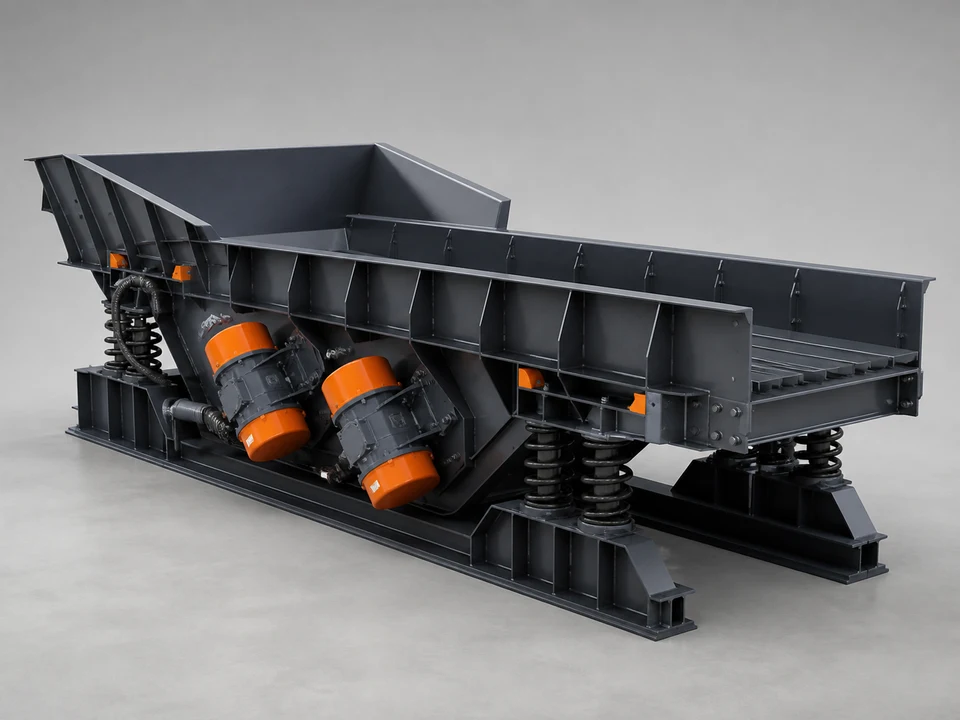
01
Vibrating Feeder
Provides steady feeding to the primary crusher.
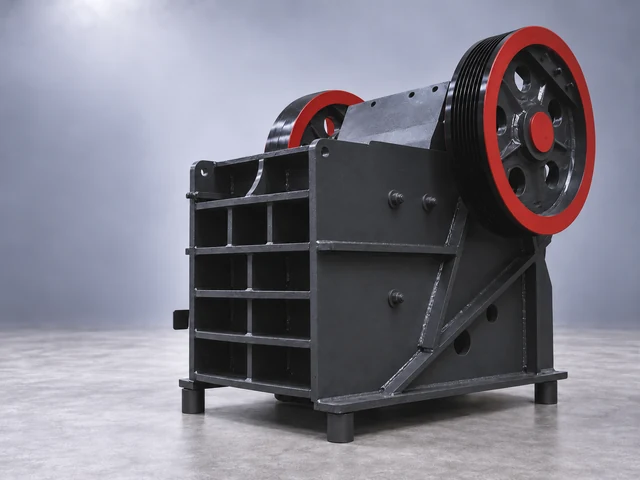
02
Jaw Crusher
Performs primary crushing of large stone. Confirm feed limit and downstream discharge against the documented model table.
View Product →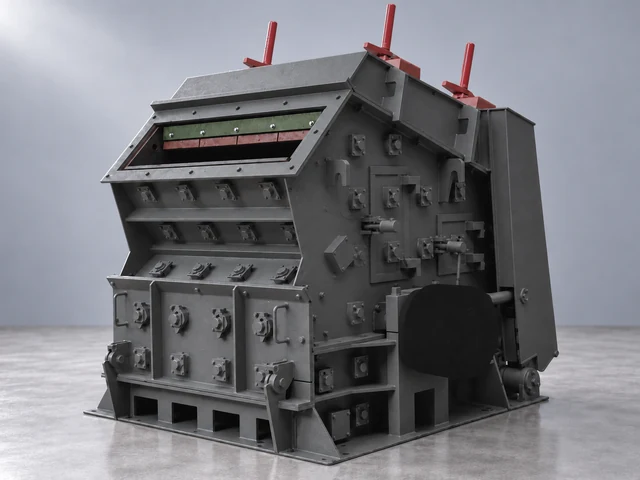
Equipment Evidence
Check the real media and its limits.
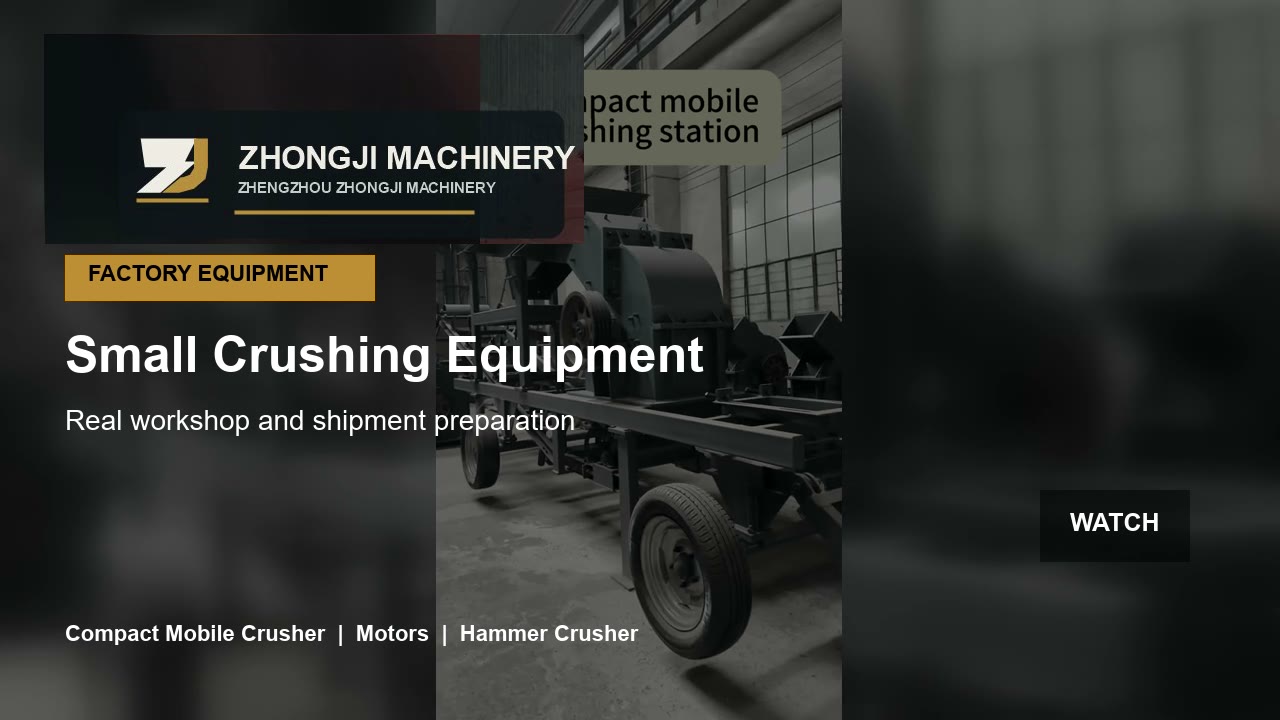 Watch real crushing equipmentZhongji workshop footage; not a verified aggregate-line installation
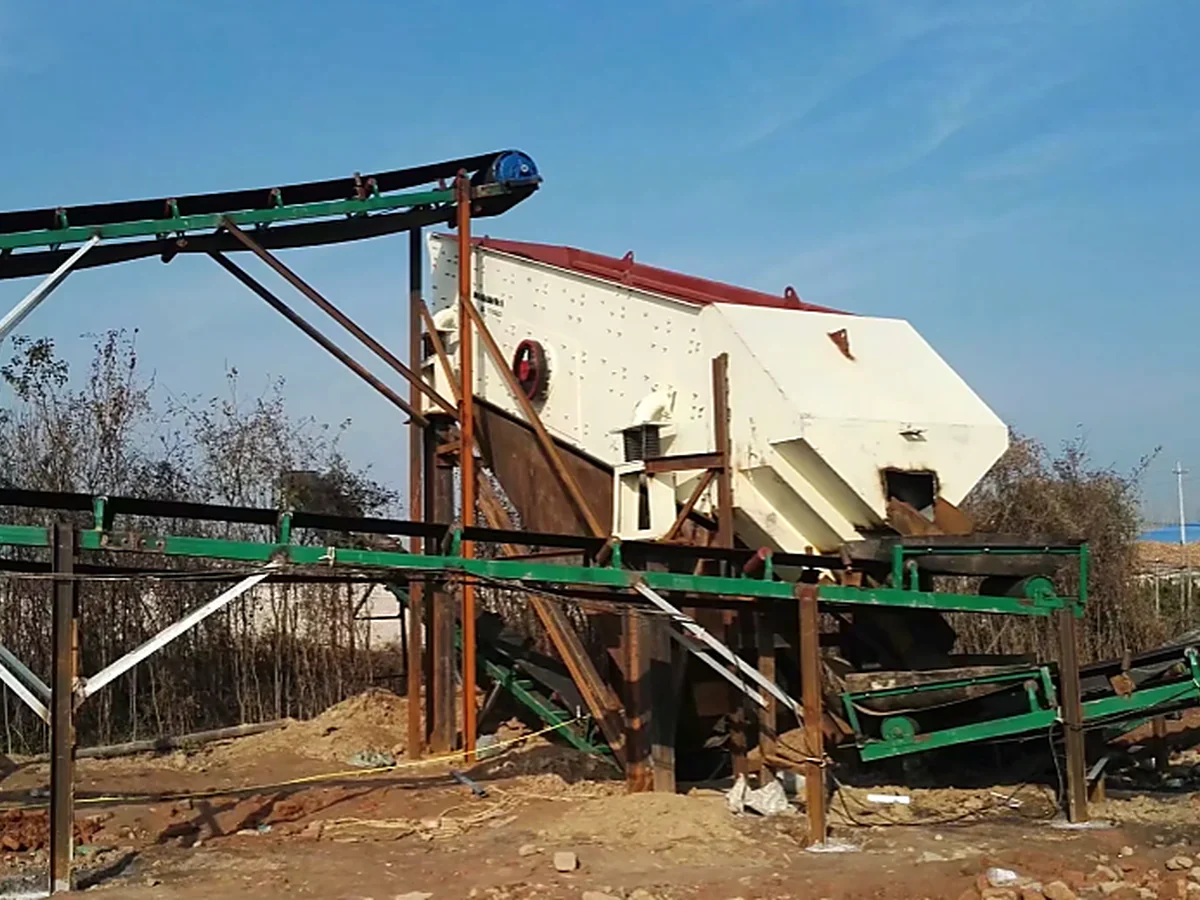
The site photograph above shows screening and conveying equipment; it does not establish this page's full line, output or supplied scope. View the photograph in Cases. The separate granite plant planning video explains a process scenario, not a documented customer result for this line.
Discuss This Production Line
Planning a similar crushing and screening line?
Send the material and its condition, largest and typical feed size, each required finished size and share, target t/h and operating hours. Include available space, power and water so equipment and commercial scope can be discussed against your actual duty.
Discuss This LineTechnical Notes
Final machine types and the number of crushing stages depend on the actual material, feed size and required products. The numbered line is a concept, not a guaranteed plant layout or commercial scope.