
Mobile Jaw Crusher vs Mobile Impact Crusher: How to Choose for Your Material
Quick AnswerA mobile jaw crusher is commonly considered for larger feed and primary reduction. A mobile impact crusher is considered when feed size, abrasiveness, crushing stage and final product requirements suit impact crushing. Neither type is universally better.
Check maximum feed, primary or secondary duty, abrasiveness, capacity, product size / shape, and single-unit or two-stage operation.
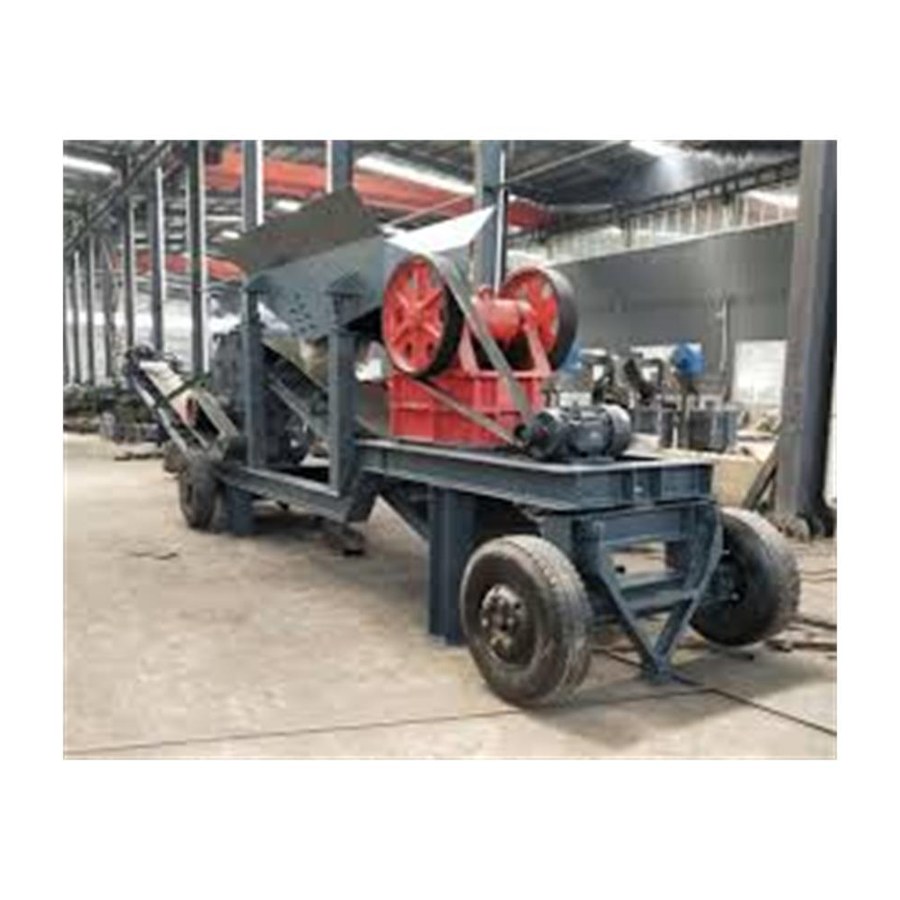
Mobile Jaw vs Mobile Impact: Quick Comparison
The difference is the crushing duty, not simply the mobile carrier. Here, mobile impact means a horizontal-shaft impact crushing unit, not a VSI sand-making machine.
General selection guidance, not a model-specific performance comparison
On small screens, swipe the table to compare both crusher columns.
| Decision factor | Mobile Jaw | Mobile Impact |
|---|---|---|
| Typical duty | Commonly considered for initial reduction of large lumps. | Often evaluated for further reduction and selected aggregate duties. |
| Feed size | Often shortlisted for large quarry feed, within its documented limit. | Feed acceptance depends on the selected impact configuration. |
| Hard / abrasive rock | Commonly evaluated for primary duty; jaw wear still matters. | Abrasiveness and blow-bar suitability need particular evaluation. |
| Product shape | Mainly a reduction step; final shaping may need another stage. | Often considered for shaping, depending on material and settings. |
| Primary or secondary? | Commonly used as the primary unit, not an absolute rule. | May serve either duty when feed and machine configuration suit. |
| Two-stage role | Often prepares feed for a mobile secondary crusher. | May follow a jaw, with screening matched to the product duty. |
| Wear | Jaw profile, material and feeding should be evaluated. | Blow bars and liners depend on abrasion, impact loading and contaminants. |
Start With Feed Size and Crushing Stage
For large blasted rocks and primary crushing, a mobile jaw is often an early shortlist choice. Check actual top size and the whole feed distribution, including slabby lumps and fines. An inlet dimension or model name is not the documented maximum feed limit.
A mobile impact unit does not automatically need a jaw ahead of it. Some configurations can accept primary feed. Confirm the impactor’s feed limit, material, desired reduction and feeding arrangement before considering direct feeding. Oversize feed may instead require pre-treatment or another primary stage.
Material Hardness & Abrasiveness
Crushability and abrasiveness are different checks: one concerns how the rock breaks, the other how it wears the crushing surfaces. A rock name alone is not enough to settle either.
Can a mobile impact crusher process granite?
It may be technically possible with a suitable impact configuration, feed size and duty. Granite and basalt commonly make abrasive wear a major consideration, so technical feasibility does not establish acceptable wear conditions. For large blasted feed, evaluate a mobile jaw first and compare the secondary options.
Which mobile crusher suits limestone?
Impact can be a useful shortlist direction for lower-abrasion limestone within the confirmed feed limit and with compatible product targets. Large feed can still call for jaw primary reduction. Check the actual rock, including harder inclusions, rather than assuming all limestone behaves alike.
Wet clay and fines can affect feeding and screening whichever crusher is chosen. For recycling feed, identify concrete, asphalt, reinforcement and other contaminants separately; confirm pre-sorting, metal handling and the crusher’s approved feed conditions.
Final Product Size and Shape
Specify the required aggregate before treating jaw discharge as finished product. Jaw reduction may be enough for a coarse duty, while an impact stage may be evaluated for further reduction and shape. Neither machine name guarantees the required gradation.
Impact crushing can generate more fines in suitable applications; that may help one product and reduce the usable yield of another. Check acceptable fines, crusher settings, screen cuts and oversize return together. This guide assigns no fines or shape-improvement percentage.
Single Mobile Unit vs Two-Stage Mobile Line
One unit is enough only when its crushing and included screening meet the whole duty. Large feed combined with finer or shaped products may require a mobile jaw followed by a suitable mobile impact or cone unit, plus screening. The route is conditional, not a standard package for every project.
Check transfer feed size and rate, secondary capacity, screen load and return material as one line. A screen separates sizes but does not replace a missing crushing stage. Rated unit capacities cannot simply be added to predict saleable aggregate output.
Zhongji Documented Configuration Examples
Two examples below are transcribed from Zhongji’s wheel-mobile technical sheet. Zhongji also manufactures tracked equipment, but these wheel-series references are not tracked specifications.
These references come from different documented mobile configurations and should not be used to compare jaw and impact crusher throughput directly. They are not guaranteed project outputs.
Swipe the table to see feed, capacity and duty references.
| Wheel configuration | Crusher | Documented max feed | Reference capacity | Duty to evaluate* |
|---|---|---|---|---|
| YG938E69 | Jaw: PE600 × 900 | Not stated in this sheet | 70-150 t/h | Primary reduction |
| Y3S1548F1010 | Impact: PF1010 | Not stated in this sheet | 30-275 t/h | Impact reduction with screening |
*Duty is general selection context, not a sheet performance claim. Confirm maximum feed separately; do not derive it from PE600 × 900. The ranges are not a same-feed comparison and cannot establish which unit produces more at your site.
See the Mobile Crushing Plant product references and technical sheet →Which One Should You Shortlist?
Shortlist by duty, then confirm a configuration. Large primary feed points toward checking mobile jaw options; suitable lower-abrasion feed with reduction or shape requirements points toward checking impact options. If the feed and finished-product needs cannot be met in one stage, assess a line instead.
- Largest Feed Size
- Primary or Secondary Duty?
- Material Abrasiveness?
- Required Product Size / Shape?
- Required Capacity?
- Single Unit or Two-Stage Line?
- Shortlist Configuration
What Information Is Needed Before Final Selection?
Provide material details or photos, maximum feed and gradation, primary or secondary duty, required capacity, and final product sizes / shape. State existing downstream equipment and relevant moisture, clay or recycling contaminants. Then confirm the single-unit or multi-unit arrangement against those conditions.