Movable Crushing Equipment

Mobile Crushing Plant for Quarry, Mining and Site Projects

A mobile crushing plant combines selected feeding, crushing, screening and conveying functions on a movable platform. The correct arrangement depends on the material, feed size, final products, capacity, terrain, transport route and relocation plan.

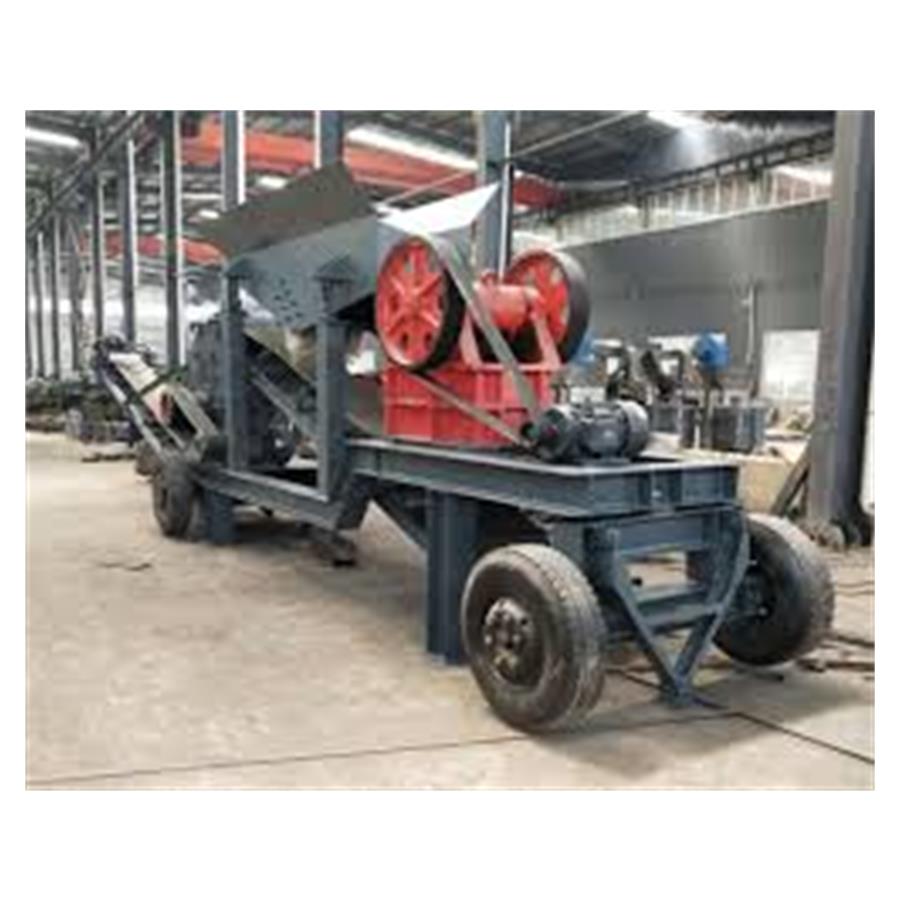
Wheel mobile jaw crushing plant inside the workshop
Send the site, transport and crushing requirements before choosing a mobile configuration.

What it is

A mobile crushing plant places a selected crusher and supporting equipment on a wheel or tracked carrier so the crushing unit can be relocated more easily than a fixed line.

Where it is used

It is considered for quarry, mining, roadwork and temporary or changing site projects where relocation and reduced fixed civil work matter.

Practical advantages

The plant can reduce repeated fixed installation work and shorten on-site material transport, but it still requires proper access, support, power and operating space.

Working Principle

Mobility changes the platform, not the crushing decision.

The crusher still has to match the material and output requirement. The mobile carrier integrates the selected process stages and allows the unit to be moved or repositioned according to the confirmed transport and site plan.

Process stepWhat happensWhat the buyer should confirm
Controlled feedingA feeder or hopper introduces material to the selected primary crusher.Maximum feed size, feed consistency, oversize risk and hopper access.
CrushingA jaw, impact or other confirmed crusher reduces the material according to the duty.Material hardness, abrasiveness, moisture and required reduction.
Screening and returnIf included, a screen separates product sizes and may return oversize for further crushing.Number of final sizes and whether one crushing stage is sufficient.
Discharge and stockpilingIntegrated or connected conveyors move products away from the unit.Stockpile space, downstream equipment and safe vehicle movement.

Technical Specifications

Wheel mobile plant references from our existing technical sheet.

Only documented wheel-series values are shown. Capacity is a reference range and depends on material, feed grading, crusher setting, screen duty, feeding continuity and site operation.

Wheel mobile jaw modelDocumented main configurationCapacity and power reference
YG938E69Feeder: ZSW-380 x 96
Jaw crusher: PE600 x 900
Conveyor: B650 x 7 m
Capacity: 70-150 t/h
Power: 91.5 kW
YG1142E710Feeder: ZSW-420 x 110
Jaw crusher: PE750 x 1060
Conveyor: B800 x 9 m
Capacity: 80-200 t/h
Power: 134 kW
YG1349E912Feeder: ZSW-490 x 130
Jaw crusher: PE900 x 1200
Conveyor: B1000 x 11 m
Capacity: 150-300 t/h
Power: 146 kW
Wheel mobile impact modelDocumented main configurationCapacity and power reference
Y3S1548F1010Screen: 3YA1548
Impact crusher: PF1010
Conveyor: B500 x 7 m
Capacity: 30-275 t/h
Power: 70-90 kW
Y3S1848F1210Screen: 3YA1848
Impact crusher: PF1210
Conveyor: B650 x 7 m
Capacity: 56-330 t/h
Power: 128.5-150.5 kW
Y3S1860F1214Screen: 3YA1860
Impact crusher: PF1214
Conveyor: B650 x 8 m
Capacity: 65-586 t/h
Power: 154-190 kW
Y3S2160F1315Screen: 3YA2160
Impact crusher: PF1315
Conveyor: B800 x 8 m
Capacity: 81-720 t/h
Power: 210-297 kW

Model Selection

Plan the process, carrier and transport route together.

A mobile plant should not be selected from capacity alone. Crusher type, final products, terrain, transport limits and relocation frequency can change the complete arrangement.

Information neededWhy it mattersUseful format
MaterialHardness, abrasiveness, moisture and contamination affect crusher and wear-part selection.Material name, photos and available test information
Feed and productsMaximum feed and required output sizes determine crushing stages and screening duty.Maximum feed in mm and each final product size
Required capacityThroughput affects crusher, feeder, screen and conveyor selection.Tonnes per hour and expected operating hours
Terrain and relocationGround condition and relocation frequency influence wheel or tracked discussion.Site photos, slope, road condition and move frequency
Transport limitsShipping and road transport depend on dimensions, weight, access and local rules.Route, bridge limits, port, legal width/height and lifting access
Power and installationPower source, voltage, fuel, support and operating space affect commissioning.Country, voltage, frequency, power preference and layout

Wheel or Tracked

Choose mobility from the real movement plan.

The carrier should solve an actual site or transport problem. It should not be selected only because one option appears more mobile.

Mobility directionPractical characteristicsKey checks before selection
Wheel mobile plantNormally towed between suitable sites and supported in the working position. It can be practical when moves are planned and road access is available.Towing method, road and turning access, support ground, transport dimensions and local rules.
Tracked mobile plantA crawler system allows self-propelled repositioning around the work site. Long-distance movement normally still requires suitable transport planning.Terrain, slope, ground pressure, low-bed transport, shipping limits and current factory configuration.
Factory confirmationOur current documented model table covers wheel mobile configurations. Tracked supply scope must be confirmed for the actual project.Send site photos, movement distance and the reason tracked mobility is required.

Quarry relocation

Suitable direction when crushing must move between quarry working areas and the access route can support the selected carrier and transport method.

Temporary site crushing

Useful when a project has a defined working period and reducing permanent civil work is important, provided a safe operating pad and utilities are prepared.

Mining feed preparation

Can prepare material before downstream crushing, screening or grinding when the mobile arrangement matches the mine layout and relocation plan.

Worker welding heavy equipment components inside the Zhongji Machinery workshop

Real Manufacturing Evidence

Verify the workshop and the actual mobile unit.

The page uses a real wheel mobile crushing plant photo from the workshop and a real manufacturing image. Buyers can review the factory and discuss the exact frame, crusher and supporting modules before ordering.

Real Video Evidence

Workshop and equipment footage for supplier verification.

These published videos show real Zhongji factory and equipment activity. They do not replace project-specific configuration drawings or technical confirmation.

200 TPH granite crushing plant technical solution video cover

200 TPH Granite Crushing Plant Guide

Watch a practical process-planning video covering feed analysis, crushing stages, screening and capacity factors.

Open the dedicated viewing page

Factory Equipment Workshop

Real workshop footage for buyers reviewing manufacturing activity and equipment handling.

Real Equipment Site

Published site footage for buyers checking practical equipment application evidence.

Technical Downloads

Official mobile crushing station reference.

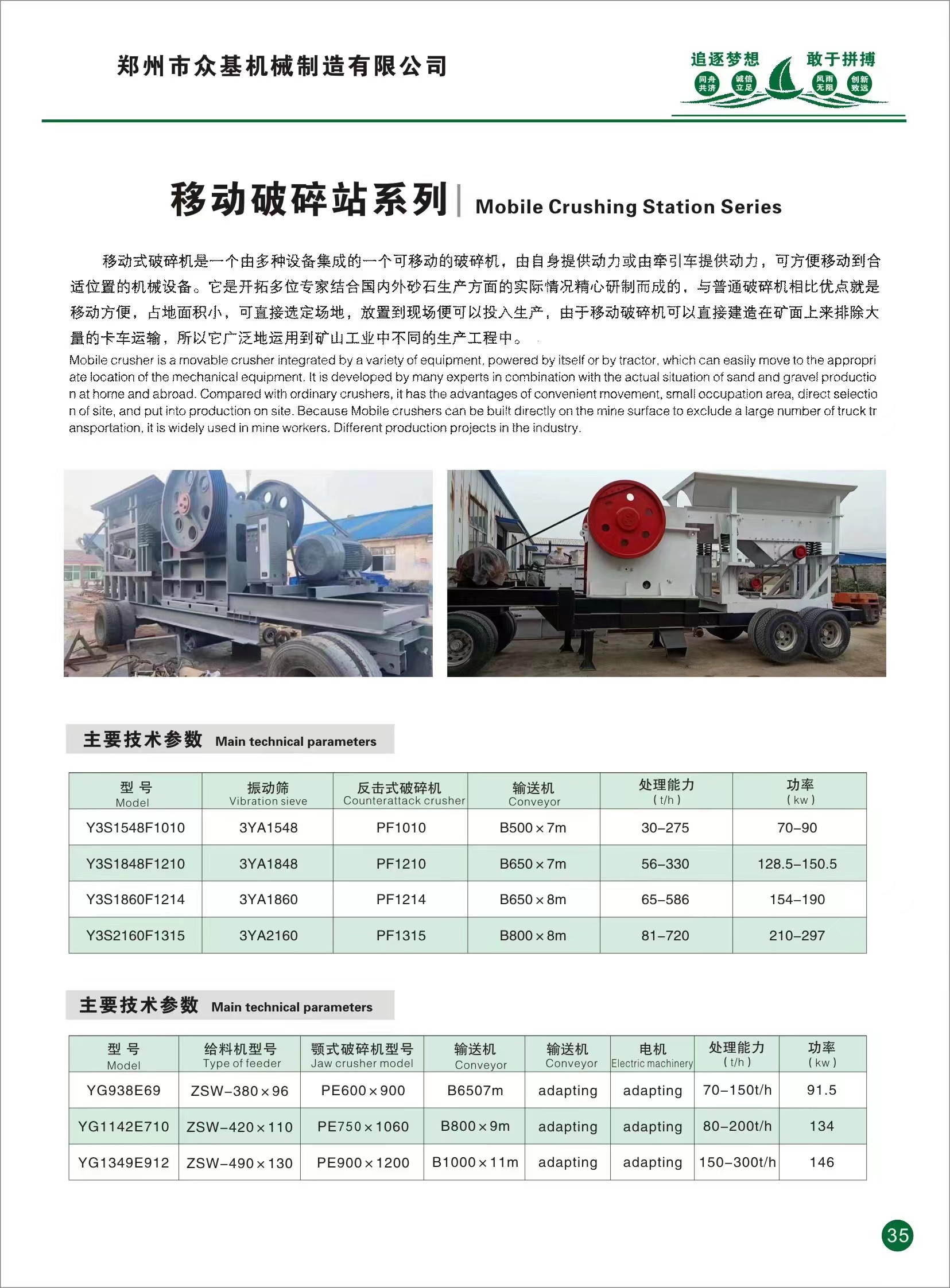
This is the existing Zhongji company sheet for wheel mobile jaw and impact configurations. It is a starting reference, not a final project proposal.

Mobile Crushing Station Technical Sheet

Existing company introduction and documented model references for wheel mobile configurations.

Download Technical Sheet

Maintenance and Site Setup

Inspect both the crushing process and the mobile carrier.

The checklist is a planning framework. Exact intervals and procedures must follow the supplied manuals, operating hours, carrier configuration, material and site safety rules.

Daily / Each Shift

  • Check guards, supports and visible damage.
  • Observe feed, discharge and conveyor tracking.
  • Listen for abnormal noise or vibration.
  • Check tires or tracks as configured.

Weekly

  • Inspect accessible fasteners and connections.
  • Check crusher wear parts and feeder condition.
  • Inspect belts, rollers and material spillage.
  • Review movement and overload records.

Monthly

  • Record wear and alignment measurements.
  • Inspect carrier, axle or track components.
  • Review lubrication and hydraulic records.
  • Plan confirmed parts replacement.

Annual / Major Shutdown

  • Complete qualified inspection of major modules.
  • Check crusher, frame, supports and mobility system.
  • Repair confirmed structural or wear issues.
  • Review spares and transport equipment.

Safety: Stabilize the plant, isolate all power and prevent unintended movement before inspection. Towing, lifting, crawler work, electrical work and crusher entry require qualified personnel and site procedures.

Transport planning

Confirm shipping split, lifting points, towing or low-bed arrangement, route limits, port handling and local permits before dispatch.

Operating pad

Prepare stable, level ground with safe access, drainage, stockpile space and room for maintenance and emergency movement.

Commissioning

Check supports, alignment, guards, conveyors, crusher rotation and emergency stops, then complete the required no-load and controlled-load checks.

Common Operating Problems

Check the site, carrier and process as one system.

These are general checking directions. Stop safely and use qualified technical personnel when the cause is uncertain.

Observed problemPossible checking directionPractical response
Unstable outputChanging feed, uncontrolled feeding, crusher setting, screen loading or blocked discharge.Stabilize feed and inspect the complete material path.
Plant movement or excessive vibrationGround support, stabilizers, frame connection, loose fasteners or crusher imbalance.Stop operation and inspect the support and equipment condition.
Conveyor spillage or mistrackingLoading position, belt tension, rollers, frame level or accumulated material.Isolate the plant, clean safely and correct the confirmed cause.
Relocation or transport difficultyRoute width, turning radius, slope, ground condition, towing method or legal limit.Do not force movement; revise the transport plan and use suitable equipment.

Buyer FAQ

Questions to resolve before selecting a mobile plant.

Should I choose a wheel or tracked mobile crushing plant?

A wheel mobile plant is normally towed between sites and suits planned relocation with suitable road access. A tracked plant can reposition on site using its crawler system. The decision depends on terrain, relocation frequency, transport route, legal limits and the factory's confirmed configuration.

What information is needed to select a mobile crushing plant?

Provide the material, maximum feed size, required output sizes, capacity, site terrain, transport limits, power conditions, relocation frequency and project location.

Is one mobile crushing unit enough for a complete project?

Not always. One unit may cover a simple crushing duty, while graded final products or finer output may require feeding, secondary crushing, screening and additional conveyors.

Does a mobile crushing plant require no site preparation?

No. The site still needs safe access, stable and level operating ground, suitable support, power or fuel planning, discharge space, drainage and maintenance clearance.

Factory Support Path

What happens after the mobile configuration is confirmed.

These steps are discussed according to the confirmed carrier, crusher and order scope. Availability of documents, packing and installation support is confirmed before contract.

Manufacturing

Real workshop photos and videos help buyers verify fabrication and mobile-unit assembly activity.

Quality Inspection

Machine condition, carrier connection and supplied scope are checked against the confirmed order requirements.

Shipment Preparation

Shipping split, lifting and transport arrangements are discussed according to dimensions and destination.

Installation Support

Operating-pad conditions, setup information and commissioning checks are confirmed for the order scope.

Equipment Recommendation Request

Send five project conditions for a practical mobile plant direction.

The form creates a structured WhatsApp inquiry so the factory can review the crushing and relocation duty before discussing price.

Submitting opens WhatsApp with these project details. No information is stored on this website.